Scroll through a dozen websites launched this year and the same page keeps appearing: a pale gradient, a centred headline promising to “supercharge” something, a row of rounded cards and a button that says Get started. Nobody designed that page. A model averaged it from every page it had seen. The fear that AI will empty offices sits beside that page, and we think the fear points the wrong way. The World Economic Forum’s Future of Jobs Report 2025, built on a survey of more than 1,000 employers, expects 170 million jobs to be created by 2030 and 92 million to be displaced, a net gain of 78 million.
Will AI take over jobs?
Some jobs, yes. The same report expects clerical and routine administrative roles to shrink, and nobody should pretend otherwise to the people who hold them. But the report is a survey of what employers expect, not a count of what has happened, and its net figure is positive. Our argument is narrower than the headline number. We think AI is creating a new kind of demand.
The pattern is simple. When a tool lets anyone produce a decent illustration or a website in seconds, those things stop being scarce. What becomes scarce is the version that looks like someone meant it. Businesses have handed AI almost everything they could, and we expect many of them to come back and ask for the human touch. That request is work, and somebody gets paid to do it.
Do people care if content is made by AI?
They do, and the surveys are clear about it. In a Pew Research Center survey of 5,023 US adults in June 2025, 76% said it is extremely or very important to be able to tell whether pictures, videos and text were made by AI or by people. In the same survey, 53% said they were not too confident or not at all confident they could tell.
The picture is the same outside America. Getty Images’ VisualGPS research, which polled more than 30,000 adults in 25 countries between July 2022 and September 2023, found that almost 90% of consumers want to know whether an image was created with AI. The same research found 98% agree that authentic images and videos are central to trust.
Read together, those numbers describe people who want to be told, which is a different thing from rejecting AI. Audiences want illustrations drawn by a person, or at least an honest line about where a machine helped. They want videos with a human in them, or videos that say plainly how AI was used. An AI image app such as ArtCraft is built to hand back a finished image. It cannot hand back the reassurance that a person made the choices in it.
Why do AI websites look the same?
A language or image model predicts the most likely next thing. Asked for a website, it returns the most likely website, and the most likely website is the average of millions of others. That is why so many new sites share the same layout and the same soft colours. People now have a name for the result: AI slop.
We expect the commercial effect to look like this. A business that built its site with an AI tool goes back to a designer with a short brief: make it look natural, make it look like us. That brief requires someone who understands how the thing is made, from type and spacing to the reason a page feels cheap. It is a new kind of job.
The tools also have a harder limit. A prompt describes the result, but some results, such as a particular 3D scene, are reached by a method: a sequence of steps a trained person knows and the prompt does not carry. Where that is true, the person with the method gets there and the prompt does not. That, in our view, is why the human touch can be priced above the AI draft it improves.
Time is the other limit. Directing a model well takes hours of revision and a clear idea of what good looks like. Most business owners have neither the hours nor the training, so they will keep paying someone who has both.
Why does taste matter in the age of AI?
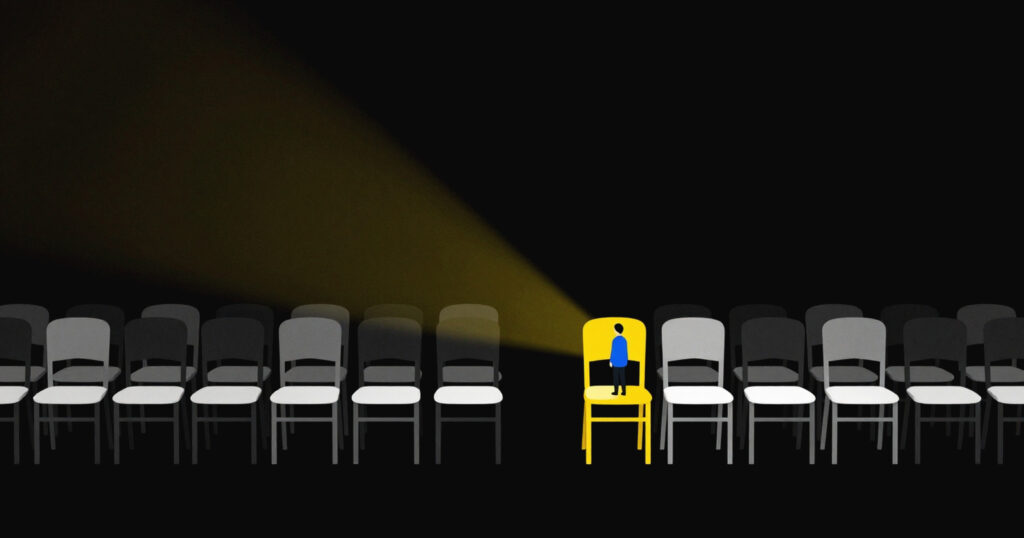
Taste is the word we have all agreed to use for this. It is the judgment that tells you what to keep and what to cut for one particular brand or audience. AI can produce a hundred options. Taste decides which one ships, and which ninety-nine never should.
In a business, taste shows up in two places. The first is what a company makes. When production is nearly free, the cost moves from making things to choosing them, and the person who chooses well becomes the most valuable person on the team. The second is what a company refuses to make. A brand that publishes every draft a model gives it soon looks like every other brand using the same model. The one that edits hard and keeps a recognisable look is the one customers remember.
Production changes the same way. The job of a designer or video maker is moving from doing every step by hand towards directing the steps and judging the output. That job moves closer to the work of an editor, and good editors have always been paid for their eye rather than their speed.
Should companies replace employees with AI?
We do not think firing a team and replacing it with AI is the right move for most businesses. It removes the one thing customers are now checking for. The better structure is a person with taste who uses AI to work faster and who signs off on what goes out. Our own test of free AI for customer support reached the same conclusion in a narrower field: the tools can answer customer emails, and they should not be left to do it alone.
Usage data will not settle the question either way. When we went through what Anthropic’s usage data holds, each figure turned out to be a share of Claude use by task or occupation, not a count of jobs a model has taken over. A company that cuts the people who know what good looks like will still need that knowledge the first time a customer says the work feels machine-made.
AI can now make almost anything. Deciding what is worth making is still a person’s job, and we expect people to keep paying for it.